

Table of Contents:
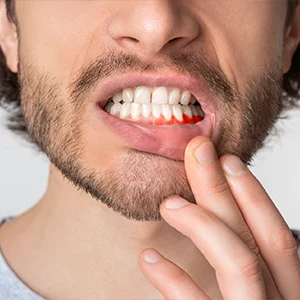
If you’ve ever noticed blood when brushing or flossing your teeth, you’re not alone. How to get gums to stop bleeding is a common question, and it’s important not to ignore it. While bleeding gums can be a minor issue, they may also indicate a more serious underlying condition, such as gum disease.
Bleeding gums should never be overlooked, as they can be a sign of gingivitis or more advanced gum disease. Identifying the root cause is the first step in stopping bleeding gums and restoring oral health.
Keep reading to explore the most common causes of bleeding gums, home remedies, and when to seek professional dental care.
Why Are My Gums Bleeding?
Before learning how to get gums to stop bleeding, it’s crucial to understand what might be causing the issue. Here are the most common reasons behind bleeding gums:
1. Gingivitis
Gingivitis is the earliest stage of gum disease and is characterized by inflammation of the gums. It is usually caused by poor oral hygiene. Plaque buildup along the gumline leads to irritation, making the gums swollen and red and prone to bleeding, especially when brushing or flossing.

2. Periodontitis
If left untreated, gingivitis can progress to periodontitis, a more severe form of gum disease. This stage can lead to gum recession, tooth loss, and constant bleeding, even without brushing or flossing.
3. Brushing Too Hard
Aggressive brushing or using a hard-bristle toothbrush can damage your gums and cause them to bleed. It’s important to brush gently with a soft-bristle brush to avoid irritating the delicate tissue of your gums.
4. Vitamin Deficiency
Deficiencies in certain vitamins, especially Vitamin C (scurvy) and Vitamin K, can cause gums to bleed. These vitamins are essential for gum health and healing, so ensuring adequate intake can help stop bleeding gums.
5. Medications
Certain medications, such as blood thinners, can make gums more prone to bleeding. If you’re on medication that affects blood clotting, discussing any oral health concerns with your doctor or dentist is important.
6. Pregnancy
Pregnancy can cause hormonal changes that make your gums more sensitive and prone to bleeding. This condition, called pregnancy gingivitis, is common but can usually be managed with proper oral care.
How Do I Get My Gums to Stop Bleeding: Effective Remedies
Now that we’ve explored some common causes of bleeding gums, here are proven solutions to help get your gums to stop bleeding and improve your gum health:
1. Improve Your Oral Hygiene Routine
Maintaining good oral hygiene is the most effective way to stop gums from bleeding. Here’s how you can improve your daily routine:
- Brush Twice a Day: Use a soft-bristled toothbrush and brush gently in circular motions. Avoid brushing too hard, as this can irritate the gums.
- Floss Daily: Flossing helps remove plaque and food particles from between your teeth and along the gumline, preventing buildup that leads to bleeding.
- Use Antiseptic Mouthwash: Antiseptic mouthwash can help reduce plaque and kill harmful bacteria contributing to gum disease.
2. Use a Saltwater Rinse
A simple saltwater rinse can effectively soothe irritated gums and help stop bleeding. Saltwater acts as a natural disinfectant, reducing inflammation and promoting healing. Mix 1 teaspoon of salt in warm water and rinse for 30 seconds, twice a day.
3. Apply Cold Compresses
A cold compress can help reduce swelling and manage bleeding if your gums are swollen and painful. Apply a cold compress to the outside of your mouth for 10–15 minutes several times daily.
4. Hydrate and Eat a Balanced Diet
Proper hydration and a nutrient-rich diet are essential for gum health. Foods high in Vitamin C (like citrus fruits and leafy greens) and Vitamin K (found in leafy vegetables and fish) can strengthen your gums and promote healing.
5. Avoid Tobacco Products
Tobacco use significantly contributes to gum disease. Smoking and chewing tobacco reduce blood flow to the gums, making them more susceptible to infection and bleeding. Quitting tobacco can greatly improve gum health.
6. Use a Soft-Bristled Toothbrush
Switching to a soft-bristle toothbrush and brushing gently can reduce irritation and prevent your gums from bleeding. Hard-bristled brushes or aggressive brushing can worsen the condition.
7. Consider a Gum Massage
Gently massaging your gums can improve blood circulation and promote gum health. Use your fingers or a soft gum stimulator to massage your gums, but do so gently to avoid further irritation.
When to See a Dentist for Bleeding Gums?
If your gums continue to bleed despite practicing proper oral care, it’s time to seek professional help. Here’s when to schedule an appointment at West Village Dental Care:
- Persistent Bleeding: If your gums bleed for more than a few days or without brushing or flossing, this could be a sign of gum disease or another underlying issue.
- Severe Pain or Swelling: If you experience significant pain, swelling, or visible gum recession, a dentist can evaluate the cause and recommend appropriate treatment.
- Loose Teeth: Bleeding gums and loose teeth may indicate advanced gum disease (periodontitis), requiring professional treatment.
- Difficulty Chewing: If bleeding gums make it difficult to eat or chew, it’s time to consult a dentist for an evaluation.
Takeaway
In conclusion, learning how to get your gums to stop bleeding begins with proper oral hygiene and addressing any underlying health issues. With the right care, your gums can heal, and bleeding will stop. However, seeking professional dental care is essential if bleeding persists or worsens. At West Village Dental Care, we are committed to helping you achieve optimal oral health and a beautiful, pain-free smile.
Get Help Stopping Bleeding Gums at West Village Dental Care
If you’re struggling with bleeding gums and need professional help, our West Village Dental Care offers personalized treatments to stop bleeding gums and restore oral health.
Book your consultation today by calling (313) 474-6068 or visiting us at 22615 Michigan Avenue, Dearborn, MI 48124. Let us help you achieve healthier gums and a brighter smile!
FAQs on How to Get Gums to Stop Bleeding
To stop gums from bleeding quickly, gently rinse your mouth with warm salt water to reduce bacteria. Apply a cold compress to the outside of your mouth and use a soft-bristle toothbrush. If bleeding persists, consult a dentist for further evaluation.
Treating gingivitis in children involves improving oral hygiene. Encourage brushing with a soft-bristled toothbrush twice daily, flossing daily, and fluoride toothpaste. Regular dental check-ups are essential to monitor gum health and prevent more severe gum disease progression.
Yes, you should continue brushing, but gently with a soft-bristle toothbrush. Bleeding gums are often a sign of plaque buildup, and brushing is key to removing it. However, be gentle and avoid hard brushing. If bleeding persists, seek dental advice to rule out gum disease.
Bibliography & Sources
Our Services
- General Dentistry
- Dental Fillings
- Tooth Extraction
- Teeth Cleaning
- Root Canal Therapy
- Comprehensive Dental Exam
- Periodontal Therapy
- Pediatric Dentistry
- Cosmetic Dentistry
- Dental Crowns
- Smile Makeover
- Dental Bonding
- Dental Veneers
- Teeth Whitening
- Laser Dentistry
- Restorative Dentistry
- Dentures
- Dental Bridges
- Dental Implants
- All-on-4 Dental Implants
- Denture Stabilization
- Bone Grafting
Related Posts

When Is Tooth Pain a Dental Emergency? | Emergency Dentist Dearborn MI
How much is a dental cleaning without insurance? Learn about the costs, factors influencing pricing, and why regular cleanings are essential.

Why Regular Dental Cleanings & Comprehensive Exams Matter
Dental health is a critical part of overall health, and the foundation of maintaining a

Everything You Need to Know About Dental Crowns
Your smile is one of the first things people notice — and when a tooth