

Table of Contents:
Maintaining a healthy and confident smile begins with one simple habit: regular dental care. But when it comes to professional oral hygiene treatments, patients often wonder about the difference between dental cleaning and scaling. Both procedures play a major role in keeping your mouth free from plaque, tartar, and bacteria. However, their purposes and depth of treatment vary.
At West Village Dental Care in Dearborn, MI, we believe that an informed patient is an empowered one. In this guide, we’ll help you understand the key differences in the “dental cleaning vs scaling” debate, so you can make the right choice for your oral health.
What Is a Professional Dental Cleaning?
A dental cleaning, also called prophylaxis, is a routine preventive procedure designed to maintain healthy teeth and gums. It’s typically recommended every six months for individuals with good oral hygiene.
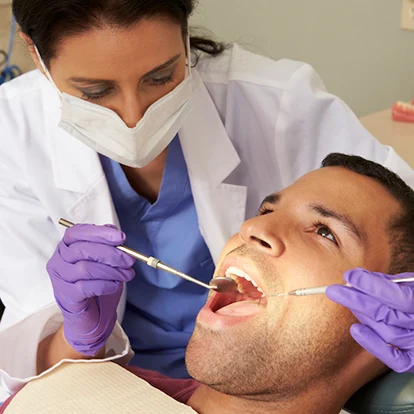
During a cleaning, your dental hygienist uses specialized instruments to remove soft plaque and minor tartar deposits on the surface of your teeth and along the gumline. This process helps prevent cavities, gum disease, and bad breath while keeping your smile bright.
Benefits of regular dental cleaning:
- Removes surface stains and plaque buildup
- Prevents early-stage gum inflammation (gingivitis)
- Promotes fresher breath and a polished smile
- Detects early dental problems before they become serious
What Is Dental Scaling?
Dental scaling is a deeper, more intensive cleaning procedure that targets hardened plaque (tartar) and bacteria below the gumline. It’s often the first step in treating periodontal disease, a condition where plaque and bacteria cause gum tissues to become inflamed or infected.
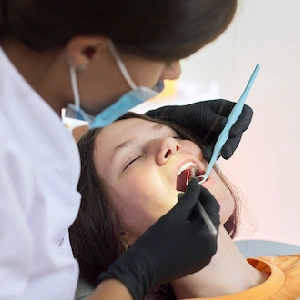
During scaling, your dental hygienist or periodontist uses ultrasonic tools and hand instruments to remove tough deposits that brushing and flossing cannot reach. Scaling may be combined with root planing, a procedure that smooths tooth roots to encourage gum reattachment and healing.
Benefits of dental scaling:
- Treats and manages gum disease
- Reduces inflammation, bleeding, and tenderness
- Stops gum recession and bone loss
- Improves overall oral and systemic health
Dental Cleaning vs. Scaling: Key Differences
Aspect | Dental Cleaning | Dental Scaling |
Purpose | Therapeutic, for treating gum disease | |
Depth of Cleaning | Above the gumline | Below the gumline |
Recommended For | Healthy gums | Mild to advanced gum disease |
Frequency | Every 6 months | As advised by the dentist |
Comfort Level | Painless, quick | May require local anesthesia |
Both treatments serve different needs. A professional cleaning is essential for preventive oral care, while scaling is necessary when early signs of gum disease appear.
Dental Scaling vs Teeth Cleaning Prices
The cost of both procedures depends on the condition of your gums, the severity of tartar buildup, and the number of visits required.
Average cost overview:
- Teeth Cleaning (Prophylaxis): $100–$200 per session
- Deep Cleaning (Scaling and Root Planing): $150–$400 per quadrant
Prices vary depending on whether you have dental insurance and how extensive the treatment is. Preventive cleanings are often fully or partially covered, while scaling, considered therapeutic, may have partial coverage.
Risks and Side Effects
Both dental cleaning and scaling are safe procedures when performed by experienced professionals. However, like any dental treatment, minor side effects can occur.
Potential risks of dental cleaning:
- Temporary tooth sensitivity to hot or cold foods
- Mild gum tenderness or bleeding
- Slight enamel roughness immediately after cleaning (this smooths out naturally)
Potential risks of dental scaling:
- Temporary gum soreness or swelling
- Mild bleeding for a day or two after the procedure
- Increased tooth sensitivity due to exposed root surfaces
- Rare risk of gum infection if post-care instructions are not followed
These effects are usually short-lived and can be managed with proper aftercare and good oral hygiene.
Common Myths About Dental Cleaning and Scaling
There are many myths surrounding teeth cleaning and scaling that can lead to confusion or anxiety. Let’s clear them up.
1. Myth: Scaling damages or weakens teeth.
Fact: Scaling removes hardened deposits; it does not harm the enamel. Post-procedure smoothness is the result of plaque removal, not enamel loss.
2. Myth: Professional cleaning isn’t necessary if I brush daily.
Fact: Even with regular brushing, plaque hardens into tartar that only a dental professional can remove safely.
3. Myth: Deep cleaning hurts.
Fact: Local anesthesia is used during scaling, and discomfort is minimal. Mild sensitivity afterward is normal and temporary.
4. Myth: Once you’ve had scaling, you won’t need it again.
Fact: Gum health maintenance is ongoing. Regular dental visits ensure tartar doesn’t build up again.
5. Myth: All cleanings cost the same.
Fact: The cost depends on your gum condition, plaque thickness, and the procedure’s depth. That’s why professional consultation is essential.
By understanding these misconceptions, you can approach both procedures with confidence and realistic expectations.
How to Know Which Procedure You Need
Your dentist will determine whether you need a cleaning or scaling based on your gum health. If your gums are firm, pink, and not bleeding, a routine cleaning is usually sufficient. However, if your gums bleed easily, feel sore, or show signs of recession, scaling might be necessary to restore gum health.
At West Village Dental Care, our experts perform thorough dental exams and periodontal assessments using state-of-the-art imaging to detect even early signs of gum problems. We then create a personalized treatment plan to ensure you get the right level of care for your specific needs.
Post-Treatment Care Tips
Proper care after cleaning or scaling helps ensure comfort, faster healing, and long-lasting results.
After professional dental cleaning:
- Brush and floss gently but consistently to prevent plaque buildup.
- Avoid staining foods such as coffee, tea, and red wine for 24 hours.
- Rinse with a mild saltwater solution if gums feel sore.
After dental scaling or deep cleaning:
- Avoid very hot, cold, or spicy foods for 48 hours.
- Use an antimicrobial or fluoride mouthwash as recommended by your dentist.
- Take prescribed medication or use desensitizing toothpaste if sensitivity occurs.
- Avoid smoking or alcohol for at least 24 hours to support gum healing.
- Keep follow-up appointments to monitor gum recovery and health improvements.
Following these steps supports healthy gums, smoother teeth, and a cleaner, more comfortable mouth after treatment.
The Bottom Line
Understanding the difference between dental cleaning and scaling is essential for maintaining both healthy teeth and gums. While dental cleaning serves as a preventive measure to keep your smile bright and fresh, scaling addresses deeper issues like gum disease and plaque buildup below the gumline.
Both procedures are vital in their own ways, and choosing the right one depends on the condition of your gums and overall oral health.
At West Village Dental Care, we take the time to evaluate your needs, explain all available options, and deliver care that restores and maintains a confident, healthy smile. Whether you need a routine cleaning or a deep scaling treatment, our team in Dearborn is ready to help you protect your smile for years to come.
Schedule your consultation today by calling (313) 474-6068 or visiting us at 22615 Michigan Avenue, Dearborn, MI 48124.
FAQs
Most patients should schedule a professional cleaning every six months. However, those with gum disease or higher plaque buildup might need more frequent visits.
Scaling may cause mild discomfort, but local anesthesia ensures a pain-free experience. Any sensitivity afterward is temporary.
Scaling helps stop the progression of gum disease and allows gums to heal. While it can’t reverse advanced bone loss, it significantly improves gum health.
Neglecting professional cleanings can lead to tartar buildup, cavities, and gum disease. Ignoring scaling when recommended can result in tooth mobility or loss.
Many dental insurance plans cover preventive cleanings and scaling procedures, especially when medically necessary. It’s best to check with your insurance provider.
Brush twice daily with fluoride toothpaste, floss regularly, and use an antibacterial mouthwash. Avoid smoking and maintain regular dental checkups.
Persistent bad breath, receding gums, loose teeth, or bleeding while brushing are strong signs that scaling may be required.
Our Services
- General Dentistry
- Dental Fillings
- Tooth Extraction
- Teeth Cleaning
- Root Canal Therapy
- Comprehensive Dental Exam
- Periodontal Therapy
- Pediatric Dentistry
- Cosmetic Dentistry
- Dental Crowns
- Smile Makeover
- Dental Bonding
- Dental Veneers
- Teeth Whitening
- Laser Dentistry
- Restorative Dentistry
- Dentures
- Dental Bridges
- Dental Implants
- All-on-4 Dental Implants
- Denture Stabilization
- Bone Grafting
Related Posts

When Is Tooth Pain a Dental Emergency? | Emergency Dentist Dearborn MI
How much is a dental cleaning without insurance? Learn about the costs, factors influencing pricing, and why regular cleanings are essential.

Why Regular Dental Cleanings & Comprehensive Exams Matter
Dental health is a critical part of overall health, and the foundation of maintaining a

Everything You Need to Know About Dental Crowns
Your smile is one of the first things people notice — and when a tooth