

Table of Contents:
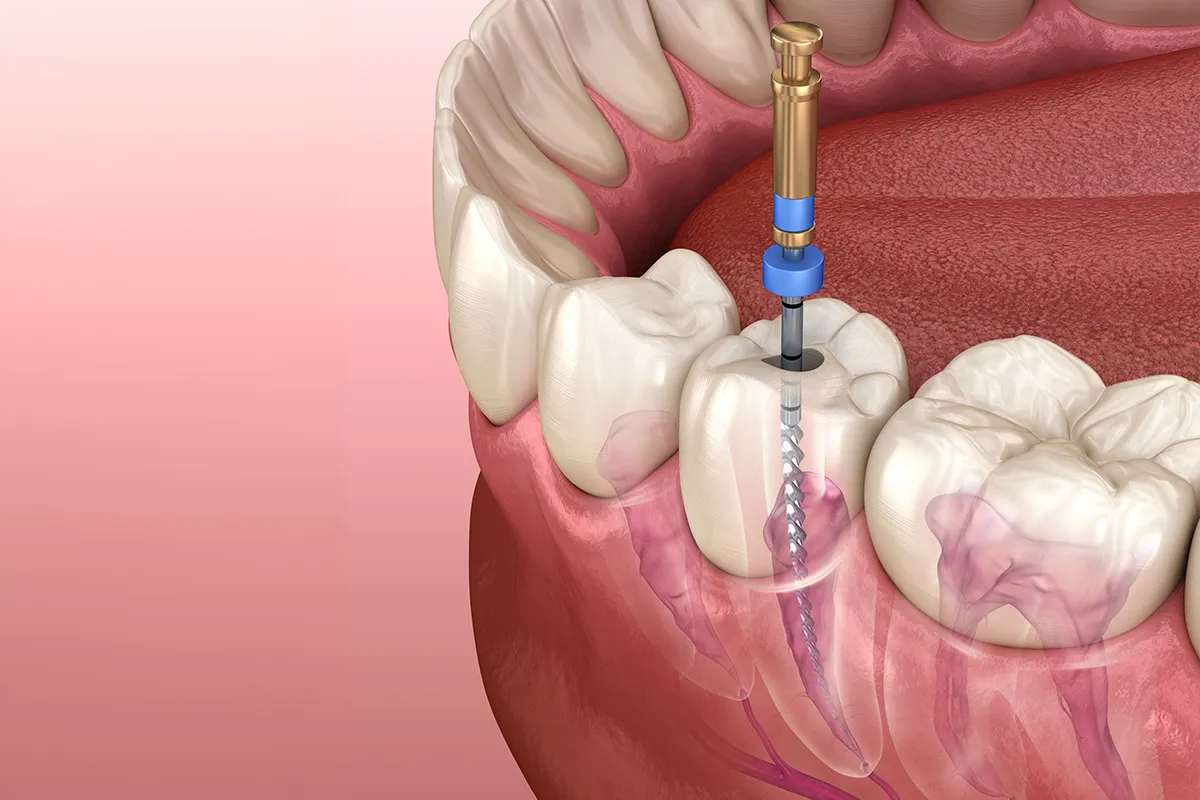
A root canal is designed to save and strengthen a tooth that has suffered deep decay or infection. When performed correctly, it can last a lifetime. However, in some situations, patients may experience discomfort, swelling, or complications after treatment, which can be clear indicators of a failed root canal. Understanding the signs, causes, and solutions can help you make informed decisions about your dental health.
At West Village Dental Care in Dearborn, MI, we specialize in diagnosing and treating complex root canal issues. If you think your previous root canal hasn’t healed properly, our dental experts can help you restore your comfort and oral health.
What Is a Failed Root Canal?
A failed root canal occurs when infection or inflammation remains in the tissue surrounding the treated tooth or returns after initial healing. This can happen weeks, months, or even years after the root canal procedure. The condition requires prompt diagnosis and retreatment to prevent further complications.
In most cases, a failed root canal signals that bacteria have re-entered the tooth due to incomplete cleaning, missed canals, or cracks that went unnoticed. Understanding these root causes is the first step toward successful remedy.
Common Signs of a Failed Root Canal
If you suspect your root canal isn’t healing as it should, look out for these telltale symptoms:
- Persistent pain or sensitivity in the treated tooth
- Swelling of the gums or face near the affected area
- A visible pimple or abscess on the gum line
- Tooth discoloration or darkening
- Tenderness when chewing or biting
- Unpleasant taste or odor from the tooth area
These symptoms can appear soon after treatment or even years later. Delaying a check-up can worsen the problem, so consulting a dental professional early is essential.
Leading Causes of Root Canal Failure
Even with advanced dental techniques, several factors can lead to a failed root canal:
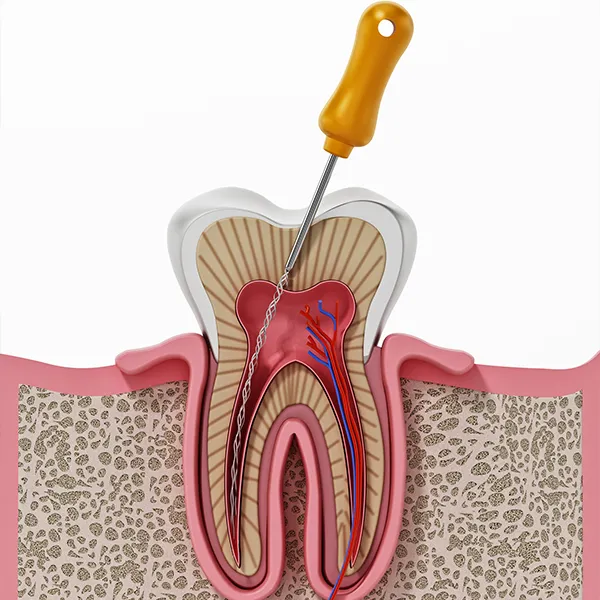
- Missed Canals or Hidden Anatomy: Molars often have multiple canals that may be difficult to locate. If one remains untreated, bacteria can survive inside.
- Incomplete Cleaning or Sealing: If canals aren’t thoroughly disinfected or sealed, reinfection can occur.
- Tooth Fracture or Cracks: Even microscopic cracks can allow bacteria to enter, even after treatment has been completed.
- Decay Near the Crown or Filling: Poor oral hygiene or leakage around the crown can allow new decay to start.
- Delayed Restoration: Postponing final restoration (like crowns) can expose the tooth to new bacteria.
At West Village Dental Care, our specialists use advanced imaging tools, including digital X-rays and 3D scans, to detect hidden canals and fractures that many general dentists may miss.
Modern Solutions for a Failed Root Canal
Treating a failed root canal requires careful assessment of the infection’s severity, the structural condition of the tooth, and previous treatment quality. At West Village Dental Care in Dearborn, MI, our experienced dental professionals use advanced imaging and precision techniques to design the most effective treatment plan tailored to your individual needs. Below are the leading modern solutions available for addressing a failed root canal.
Root Canal Retreatment
A retreatment, also known as a root canal redo, is often the first option when a previously treated tooth fails. During this procedure, the dentist or endodontist carefully removes the old filling materials and disinfects the root canals again to eliminate lingering bacteria. The canals are then reshaped, sterilized, and sealed with a fresh filling to block further infection.
This detailed approach allows dentists to address challenges such as missed canals, incomplete cleaning, or inadequate sealing from previous procedures. With modern tools like digital magnification and 3D imaging, our Dearborn dental team ensures precision, resulting in a significantly improved success rate.
Apicoectomy (Endodontic Surgery)
When a retreatment cannot fully resolve the infection due to complex canal anatomy or persistent bacteria near the root tip, an apicoectomy, also known as root-end surgery, may be recommended. This minor surgical procedure targets the exact source of infection by accessing the root tip through the gum tissue.
The dentist then removes the infected root end and a small portion of the surrounding inflamed tissue before sealing the area with a biocompatible material. This prevents bacteria from re-entering while preserving most of your natural tooth structure. Apicoectomies are particularly effective when standard retreatment is limited by canal curvature or blockages and can often save a tooth that might otherwise need extraction.
Tooth Extraction and Replacement
In some cases, if the tooth is severely fractured, weakened, or structurally unsalvageable, extraction and replacement may be the best long-term solution. Removing the infected tooth prevents further spread of bacteria and relieves chronic pain. Our team then discusses restoration options to replace the missing tooth and restore function.
The most durable and aesthetic replacement option is a dental implant, which mimics the natural tooth root and supports a custom crown. Alternatively, bridges may also be considered depending on the overall condition of the surrounding teeth. These restorations provide strength, stability, and a seamless appearance, ensuring your smile looks and feels natural.
Preventive Follow-Ups
Even after a successful retreatment or surgery, maintaining consistent oral care and follow-up visits is crucial in preventing another failed root canal. Routine dental check-ups enable your dentist to monitor the healing progress, address early signs of reinfection, and ensure that crowns or fillings remain securely in place.
Patients are advised to maintain good oral hygiene habits, including brushing twice daily, flossing, and using antibacterial mouthwash. Avoid chewing on the treated side during recovery and report any signs of discomfort immediately. Regular preventive care helps ensure that your restorative treatment lasts for many years without complications.
Personalized Treatment Approach
At West Village Dental Care, every treatment plan is tailored to the patient’s specific condition, comfort level, and long-term goals. Our skilled dentists focus not only on eliminating infection but also on restoring full function and appearance. Whether you need retreatment, endodontic surgery, or a complete dental restoration, our commitment is to deliver lasting results with precision and care.
Restore Your Oral Health with Expert Care
A failed root canal can be frustrating and painful, but the good news is that it can often be successfully treated with the right care. Whether your tooth requires retreatment, endodontic surgery, or replacement, timely intervention can prevent complications and restore your comfort and confidence. Ignoring the warning signs of a failed root canal may lead to further infection, tooth loss, or damage to nearby structures, so early diagnosis is key.
Don’t let lingering pain or infection impact your smile or quality of life. If you suspect your root canal has failed, schedule your appointment with West Village Dental Care today. Call (313) 474-6068 or visit us at 22615 Michigan Avenue, Dearborn, MI 48124 to get the expert treatment and relief you deserve.
FAQs
Most root canals last 10–15 years or even a lifetime if properly cared for. However, reinfection or structural damage can cause failure at any point.
No, once bacteria have re-entered the tooth or surrounding tissue, professional treatment is necessary to remove the infection.
Maintain excellent oral hygiene, schedule routine dental visits, and ensure any crowns or fillings are well-sealed and maintained.
Ignoring it can lead to severe bone loss, abscess formation, or spreading of an infection that may affect your overall health.
Digital X-rays, 3D imaging, and clinical evaluation help detect persistent infection, canal blockages, or fractures.
If the failure involves complex anatomy or complications, visiting an endodontic specialist like those at West Village Dental Care can provide better diagnostic precision.
Our Services
- General Dentistry
- Dental Fillings
- Tooth Extraction
- Teeth Cleaning
- Root Canal Therapy
- Comprehensive Dental Exam
- Periodontal Therapy
- Pediatric Dentistry
- Cosmetic Dentistry
- Dental Crowns
- Smile Makeover
- Dental Bonding
- Dental Veneers
- Teeth Whitening
- Laser Dentistry
- Restorative Dentistry
- Dentures
- Dental Bridges
- Dental Implants
- All-on-4 Dental Implants
- Denture Stabilization
- Bone Grafting
Related Posts

When Is Tooth Pain a Dental Emergency? | Emergency Dentist Dearborn MI
How much is a dental cleaning without insurance? Learn about the costs, factors influencing pricing, and why regular cleanings are essential.

Why Regular Dental Cleanings & Comprehensive Exams Matter
Dental health is a critical part of overall health, and the foundation of maintaining a

Everything You Need to Know About Dental Crowns
Your smile is one of the first things people notice — and when a tooth