


Wisdom tooth pain can make everyday tasks uncomfortable. A sore jaw may affect your meals, disturb your sleep, or make it difficult to focus at work. If your dentist recommends removal, you will probably want to know what the appointment involves and how much time you need to recover.
For anyone considering Tooth Extraction in Cudahy, an examination is the first step. Your dentist can check the tooth, review X-rays, and explain whether removal is necessary. You can also discuss pain relief, treatment costs, and how the procedure may affect your routine.
The time spent removing the tooth is only one part of the process. Preparation and aftercare matter too. Understanding each stage can help you make practical plans and avoid rushing your recovery.
Planning Your Wisdom Tooth Extraction
Before scheduling wisdom tooth extraction, make sure you understand why the tooth needs attention. Your dentist should explain the problem, discuss the alternatives, and describe the benefits and risks of treatment.
When comparing tooth extraction services, ask what your case involves. A tooth that has fully come through may need a different approach from one trapped beneath the gum or bone. Some extractions can be completed at a dental office, while others require an oral surgeon.
A consultation also gives you time to discuss concerns about treatment. Mention dental anxiety, problems with previous anesthesia, or difficulty arranging time away from work. These details help the team give advice that fits your situation.
Why Might a Wisdom Tooth Need Removal?
Wisdom teeth are the last molars at the back of the mouth. Some grow into a healthy position and remain easy to clean. Others come through at an angle or stay partly covered by gum.
A tooth that cannot fully come through is called an impacted tooth. Its position may make cleaning difficult or contribute to problems around the neighboring molar.
A dentist may recommend removal because of:
- Repeated gum infections.
- Decay that cannot be treated predictably.
- Food trapping that contributes to dental problems.
- Damage to a nearby tooth.
- A cyst or another concerning change around the tooth.
Not every wisdom tooth needs removal. Some can be monitored during routine dental visits. Your dentist should explain why extraction or continued observation is appropriate for you.

How Long Does the Procedure Take?
Once removal is recommended, a practical question is: how long does wisdom teeth removal take? The answer depends on the number of teeth being removed, their position, and whether surgery is needed.
A straightforward tooth may take only a few minutes to remove. A more difficult tooth that needs to be divided into sections may take around 20 minutes, although some cases take longer.
The overall procedure often takes an hour or less. However, the full appointment includes preparation, anesthesia, and aftercare instructions. Sedation can also add monitoring time before you leave.
| Factor | How it affects procedure time |
| Number of teeth | Removing several teeth usually takes longer than removing one |
| Tooth position | An angled or trapped tooth may require surgical access |
| Gum and bone coverage | Covered teeth may need additional steps before removal |
| Root shape | Curved or difficult roots can make extraction more involved |
| Anesthesia plan | Sedation adds preparation and monitoring time |
Ask your clinician for an estimate based on your examination. Keep the rest of the day flexible rather than planning important commitments immediately afterward.
What Happens During Wisdom Tooth Removal?
The steps depend on whether the tooth has fully come through or remains beneath the gum. Your clinician should explain the planned approach before beginning.
Numbing the Area
Local anesthesia numbs the tooth and surrounding tissues. The clinician checks that the area is numb before starting.
Sedation may also be discussed when appropriate. Ask what level of awareness to expect and what preparation it requires.
Removing the Tooth
A fully erupted tooth may be loosened and lifted from its socket. A trapped tooth may require a small opening in the gum.
Sometimes, a little surrounding bone is removed. The tooth may also be divided into sections so it can be taken out more easily.
Checking the Site and Placing Stitches
After removal, the clinician checks and cleans the area. Stitches are placed if needed, and gauze helps control bleeding.
Not every extraction requires stitches. Before you go home, the team should explain how to care for the wound and which symptoms need attention.
What Does the Procedure Feel Like?
It is natural to feel nervous and ask, does wisdom teeth removal hurt? With effective local anesthesia, you should not feel sharp pain during the extraction. You may still notice pressure, movement, or vibration.
When discussing treatment with Cudahy dentists, explain any concerns about pain or dental anxiety. Ask how the area will be numbed and what options may help you feel comfortable during the procedure. Tell your dentist immediately if anything hurts. They can pause, check the area, and adjust the anesthesia. You do not need to wait until treatment is finished to speak up.
Soreness afterward is expected as the numbness wears off. Your clinician may recommend pain medicine based on your medical history and the procedure. Follow the directions carefully. Avoid taking extra doses or combining products without checking their ingredients, since different medicines can contain the same pain reliever.

Getting Ready for Your Appointment
Learning how to prepare for wisdom teeth removal starts with following instructions that match your treatment. Preparation may differ depending on your health, medicines, and anesthesia plan.
Share Your Medical Information
Give the dental team an updated list of medicines, vitamins, supplements, and allergies. Mention ongoing health conditions and any previous problems with anesthesia.
Do not stop prescribed medicines on your own. Ask whether you should take your usual doses on treatment day.
Confirm Eating and Drinking Instructions
Ask whether you need to avoid food or drinks before your appointment. Follow the exact instructions provided for your anesthesia plan.
If you accidentally eat or drink outside those instructions, tell the office. The team needs accurate information to decide how to proceed.
Arrange Transportation and Home Support
Confirm whether someone needs to drive you home and stay with you afterward. This is especially important when sedation is planned.
Prepare a few useful items at home:
- Soft meals that require little chewing.
- Water and a clean drinking cup.
- Recommended medicines.
- A comfortable place to rest.
- Help with children or other responsibilities, if needed.
Having supplies ready means fewer things to manage after treatment.
Understanding the Recovery Timeline
Before arranging time off, you may wonder, how long does wisdom teeth recovery take? Many people feel noticeably better during the first week, but soreness and jaw stiffness can last longer.
The following table gives a general guide. Your own recovery may be shorter or longer, so follow your treating clinician’s instructions.
| Recovery stage | What you may notice | What to focus on |
| First 24 hours | Numbness, soreness, and mild oozing | Rest and follow bleeding-control instructions |
| Days two and three | Swelling and jaw stiffness may be more noticeable | Follow your comfort plan and eat soft foods |
| Days four to seven | Symptoms often begin to settle | Resume suitable activities gradually |
| One to two weeks | Many early symptoms have eased | Continue careful cleaning and planned follow-up |
| Following weeks | The socket continues healing | Protect the site and follow further advice |
Swelling often peaks during the first few days. More involved surgery may require a longer recovery, so avoid treating these stages as deadlines.
The First Day
Take the day slowly. Follow your instructions for gauze, medicines, food, and drinks.
Avoid touching the wound or checking it repeatedly with your tongue. While your mouth is numb, take care not to bite your cheek or tongue.
Days Two and Three
Your cheek may feel swollen, and opening your mouth can be uncomfortable. Keep meals simple and allow yourself time to rest.
Use cold packs only as directed, with a cloth between the pack and your skin.
Days Four to Seven
Many people find that speaking and eating become easier. The site may still feel tender, so increase activity gradually.
Contact your treating office if pain becomes worse instead of continuing to settle.
One to Two Weeks
Bruising, soreness, and stiffness often continue to fade. Some people recover sooner, while others need more time.
Attend any recommended follow-up appointment. Early recovery can take up to two weeks, depending on the procedure.
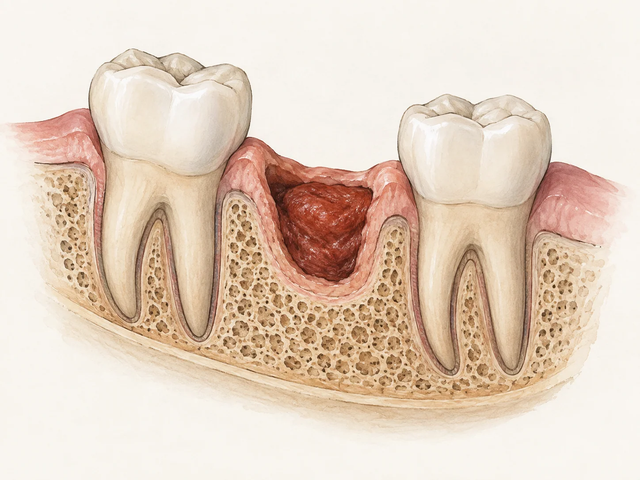
How Long Does the Extraction Site Take to Heal?
After removal, your gums and the empty socket need time to recover. You may feel comfortable before the area has finished healing. The socket continues healing for several weeks after the early soreness has eased.
If you are wondering how long it takes a wisdom tooth socket to heal, remember that surface comfort and deeper healing are different milestones. Being able to eat or work does not mean you should stop following aftercare instructions.
So, how long is wisdom teeth recovery? It depends partly on the activity you want to resume. You may feel ready for desk work sooner than heavy lifting, exercise, or sports.
Discuss your routine before treatment. Your dentist can give guidance based on the procedure and help you plan a gradual return to normal activities.
Eating and Cleaning During Recovery
Your written aftercare instructions should guide how you eat, drink, and clean your mouth.
Choose Comfortable Foods
Start with soft foods that need little chewing. Options may include:
- Plain yogurt.
- Mashed potatoes.
- Scrambled eggs.
- Cooled, smooth soup.
- Soft pasta.
Add firmer textures gradually as comfort allows. Avoid hard, sharp, or crunchy foods while the site is tender.
Drink from a cup rather than using a straw during the period recommended by your clinician.
Clean Gently Around the Wound
Avoid vigorous rinsing and spitting during the first 24 hours. After that, gentle warm saltwater rinses may be recommended.
Brush your other teeth carefully without scrubbing the extraction site. Do not use fingers, toothpicks, or other objects to clean inside the socket. Ask the dental team how to manage food trapping or other concerns.
Avoid Rushing Your Routine
Rest initially and return to activity gradually. Follow your clinician’s advice about exercise and physically demanding work.
Smoking can interfere with healing. Discuss how to avoid tobacco during recovery and follow the guidance provided by your treating team.
What to Do About Loose Stitches
If you notice that your wisdom tooth removal stitches fell out, contact the treating office for advice. Explain when it happened and whether there is new bleeding, pain, or a visible change in the wound.
Some stitches dissolve on their own, while others need removal at an appointment. Dissolvable stitches often disappear in around two weeks, although timing varies.
If your wisdom tooth stitches fell out earlier than expected, avoid pulling or cutting any remaining threads. Do not try to replace the stitch yourself.
A loose stitch does not automatically mean healing has failed. However, the dental team may need to examine the area, especially if the wound appears to open or other symptoms develop.
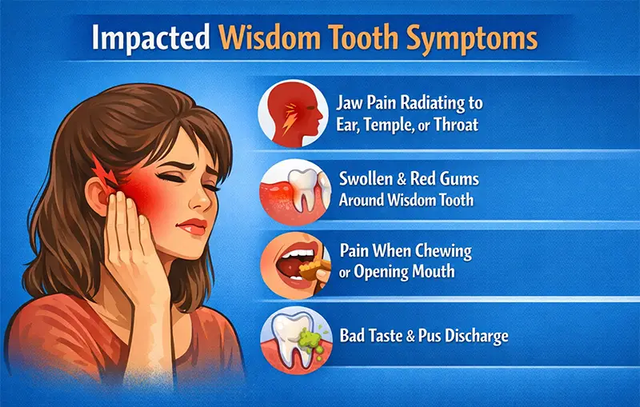
When Wisdom Tooth Problems Need Urgent Attention
An emergency removal of a wisdom tooth may be appropriate in some situations. However, severe pain does not always mean immediate extraction is the first treatment. A dentist must identify the cause and decide what care is suitable.
When requesting urgent care, describe your symptoms clearly. Mention fever, facial swelling, difficulty opening your mouth, or pain that prevents eating and sleeping.
After an extraction, contact the treating team promptly for:
- Heavy bleeding that does not settle with instructed pressure.
- Severe or increasing pain.
- Fever or pus.
- Swelling that worsens after the first few days.
- Numbness that lasts longer than expected.
Trouble breathing or swallowing, especially with spreading facial or neck swelling, requires emergency medical attention.
Understanding Treatment Costs Without Insurance
The wisdom tooth removal cost without insurance depends on the care required. A straightforward extraction and surgical removal of an impacted tooth involve different work.
Request a written estimate that explains:
- Examination fees.
- X-rays or other imaging.
- Removal charges for each tooth.
- Anesthesia or sedation fees.
- Follow-up visits and separate costs.
Check what each estimate includes before comparing prices. A lower advertised fee may cover fewer parts of the appointment.
If affordability is a concern, discuss it before scheduling. Ask about available payment arrangements and read financing terms carefully. An examination-based estimate is more useful than a general price that may not apply to your case.
Choosing the Right Dental Provider
A suitable dentist for wisdom teeth extraction should explain your diagnosis, treatment choices, and aftercare in clear language.
Ask whether treatment can take place at the office or whether an oral surgeon is recommended. You should also understand the anesthesia plan and know who handles questions afterward.
Whether you visit South Shore Dentistry & Implants or another provider, useful questions include:
- Why is removal recommended?
- Is monitoring a reasonable option?
- Which risks apply to this tooth?
- How much rest should I arrange?
- Who should I contact during recovery?
When choosing a Dental Care Clinic in Cudahy, look for clear communication. You should leave the consultation knowing what happens next and how to prepare.
Final Thoughts
Wisdom tooth removal includes both treatment and a healing period. The appointment may be relatively short, but your mouth needs time to recover afterward.
The tooth’s position, the number of teeth removed, and the type of procedure all affect the experience. Avoid comparing your progress too closely with someone else’s. Similar treatments can still require different amounts of rest.
Prepare soft meals, arrange any necessary help, and follow your written aftercare instructions. Return to activities gradually and report symptoms that become worse. Understanding what is expected can help you manage recovery with less uncertainty.
Frequently Asked Questions
How Many Days Should I Take Off Work?
You may need one to several days off, depending on the extraction and your job. Surgical removal or physically demanding work can require more rest. Ask your dentist for guidance based on your treatment and normal daily responsibilities.
When Can I Start Eating Normal Meals Again?
Begin with soft foods and gradually add firmer textures as comfort allows. Avoid hard or crunchy foods that could irritate the socket. Follow your dentist’s instructions, because comfortable chewing does not mean the extraction site has finished healing.
What Should I Do if Pain Gets Worse?
Contact your dentist if pain increases instead of settling, especially with fever, swelling, or a bad taste. These symptoms need assessment. Do not exceed your recommended medicine dose or wait for severe symptoms to pass without seeking advice.